By Bec, Supporter Experience Officer at Social AF
A phone call to your supporters can make a real difference to their fundraising journey. Whether you’re helping someone stay motivated during a virtual challenge, answering questions ahead of an event or simply wishing them good luck before race day, a personal conversation is a great way to show your supporters that their efforts are truly valued.
But how do you make sure those calls reach the right people at the right time?
At Social AF, we’ve worked across multiple supporter calling campaigns, and so we’ve learned a few things about what helps make them successful. Here are four practical tips to help you get the most out of your next calling campaign.
1. Let supporters know you’ll be calling
One of the simplest ways to improve your chances of getting through to a supporter is to let them know you’ll be calling in advance.
With so many unknown numbers appearing on our phones, it’s understandable that people might be reluctant to answer a call they aren’t expecting. A quick email or SMS can help put their minds at ease and make them more likely to pick up.
We recommend including:
- Who will be calling: Let supporters know the name of the person they’ll be speaking to.
- Which number to look out for: Give them the phone number you’ll be calling from, where possible.
- When you’ll be calling: Provide a date range so they know when to expect you.
- Why you’re calling: Include a short explanation of the purpose of the call, whether that’s to offer fundraising advice, check in on their progress or wish them luck before an event.
We’ve seen answer rates increase by 5-10% when supporters are given advance notice. It’s a small step that can really make a noticeable difference to the success of your campaign.
2. Get the timing right
When you call someone can be just as important as what you say to them.
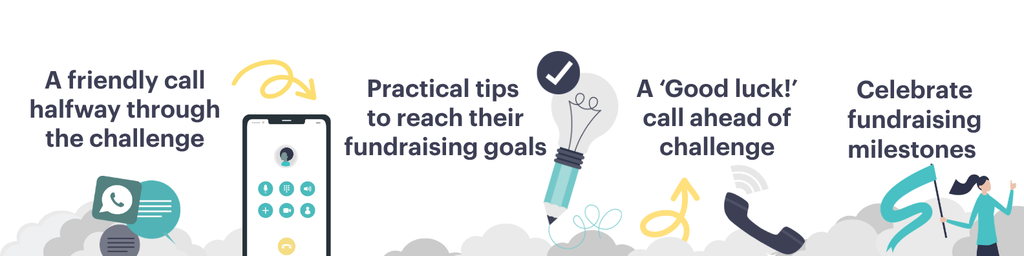
Rather than approaching your calling campaign as a series of routine check-ins, think about the key moments in your supporters’ journeys when a conversation could have the greatest impact.
For example:
- Halfway through a challenge: Motivation can start to dip as the initial excitement wears off. A friendly call could be just what someone needs to keep going.
- Ahead of a fundraising deadline: Supporters might appreciate a few practical tips to help them reach their target.
- In the run-up to an event: A good luck call before race day is a lovely opportunity to offer encouragement and answer any last-minute questions.
- At key milestones: Recognising a fundraising achievement or celebrating progress can help supporters feel appreciated.
By planning your calls around these moments, you can make them more relevant and useful to the people you’re contacting.
The aim isn’t simply to make contact, It’s to offer support when it can make the biggest difference.
3. Think about the best time of day to call
Even with the right message and the perfect reason to get in touch, you still need to actually reach your supporter.
Across the campaigns we’ve worked on, we’ve found that calling on weekdays after midday and at weekends, up until 8pm, can help maximise the chances of getting an answer.
Of course, the best time will depend on your own audience, the purpose of your campaign and the people you’re trying to reach. It’s worth considering your supporters’ circumstances and testing different calling times to see what works best.
Where possible, track your answer rates across different days and times. This will help you build a clearer picture of when your supporters are most likely to be available and allow you to plan future campaigns accordingly.
4. Plan your messaging, but keep conversations natural

It might sound obvious, but a successful supporter call should feel like a conversation, never a script.
Supporters want to feel that they’re speaking to a real person who understands their fundraising journey. Reading from a rigid script can make interactions feel impersonal, particularly when someone has a question or wants to share their experience.
That doesn’t mean you should go into every call without a plan, though.
Before your campaign begins, think about two or three outcomes you’d like to achieve through your conversations. Depending on the purpose of your calls, these might include:
- Sharing a tailored fundraising tip to help someone reach their target.
- Letting participants know where the cheer points will be located on event day.
- Checking whether someone needs help or has any questions about their challenge.
- Offering a heartfelt good luck message before an important event.
- Recognising the effort someone has already put into their fundraising.
Having these objectives in mind helps you make the most of each conversation while leaving room for the supporter to lead the discussion.
Every supporter is different, so it’s important to listen, respond to what they tell you and adapt the conversation to their needs.
Ultimately, the best calls will balance clear objectives with a nice personal touch.
Making every supporter feel valued
Supporter calls are about much more than passing on information or ticking a task off your campaign checklist. They’re an opportunity to build relationships, recognise the effort people are putting into fundraising and remind them that the charity they’re supporting is there for them.
A little preparation can go a long way. By letting supporters know you’re calling, choosing the right moments to get in touch, considering your timing and planning conversations that still feel natural, you can create a better experience for your supporters and make your calling campaigns more effective.
At Social AF, our Supporter Experience service helps charities build stronger relationships with their supporters through meaningful and personal interactions. Whether it’s a motivational call during a challenge or a good luck message before a big event, we believe that making supporters feel valued can have a lasting impact.