We hosted a webinar called ‘Tackling Misinformation Online: Social AF and Shelter,’ where we joined Shelter’s Social Media Community Manager, Vanessa Vaughan, to cover what misinformation is, why it’s damaging and how social media moderators can tackle it. Vanessa shared real examples from Shelter
We know there’s a lot of information about what this is, but there’s a lack of attention on how moderators can deal with comments. In this blog, we’ll touch on the foundations and focus on practical skills which can help.
What is it?
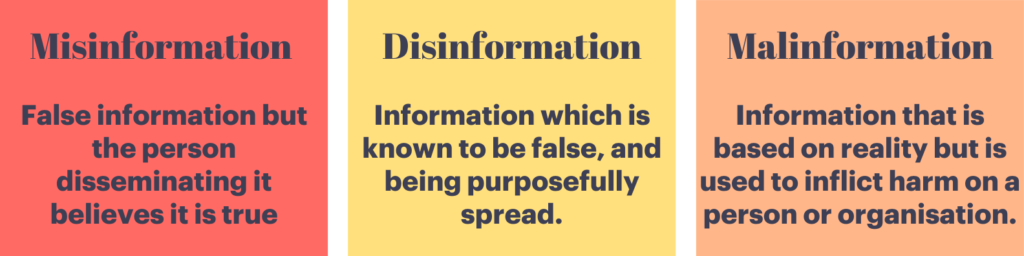
Misinformation – False information but the person disseminating it believes it is true.
Disinformation – Information which is known to be false and being purposefully spread.
Malinformation – Information that is based on reality but is used to inflict harm on a person or organisation.
Why is it damaging?
There are a whole host of reasons why misinformation is damaging, including;
- Spread or amplify belief in incorrect information
- Distrust/reduction in support
- Can cause arguments/debates, detracting from the intended message of content
- Direct harm to supporters
- Legal implications
- Psychological impact on staff
What can social media moderators do about it?
Build solid foundations
We discuss this in depth in this blog as the right foundations can make a world of difference, not just to your communications and supporters but also to the team looking after the comments. At a time when many social media moderators are feeling overwhelmed by the type of comments and volumes they’re exposed to, having key documents, defined priorities and robust processes can make a world of difference.
Apply different techniques
There’s no one universal way to moderate an organic social media account. Yes, there are skills and techniques you can adopt to improve and be the best version of yourself, but you will always have to balance that against resource, your cause type, and your online personality.
We apply four different approaches and will adapt depending on the content, the charity, and volumes.
Silence. You can hide, delete or block. Remember, the rules of your online space are yours to define. You get to choose what boundaries are right for you and your community. You may decide that if people use certain words, they are instantly blocked and banned, and others are hidden and ignored.
Ask questions. Depending on the comment, asking people where they have found this information can be really useful, particularly when you follow it up with a link to a trusted resource which contradicts their claims.
Fun. Just because you’re a charity doesn’t mean you have to entertain people talking about you or disrespecting the people you support. You can have fun with your replies if you choose to. Sometimes tongue-in-cheek responses to misinformation can garner a lot of support from genuine supporters.
Educate. Calling out misinformation for what it is and providing the information people need to educate themselves can be extremely beneficial.

Our top tips
Apply balance. It is important to correct people and share your key messages, but responding to everything may overwhelm your moderators and the comment feed. If you see a lot of similar comments, you may want to reply to one and hide three. We apply this same principle to challenge ads if people are dismissing the distance, too. Genuine supporters are usually receptive when they see corrections and charities being proactive about tackling harmful messaging, so approaching in this way is a balanced approach.
Triage cases based on severity, allowing quick dismissals for low-risk issues.
Implement a strike system. There are a lot of people on the internet who like to moan and complain, and believe us when we tell you that not everyone is genuine. Some of the comments you see may be more about their opinions on society and less about you as an organisation. A strike system empowers moderators to block people or limit their engagement once they’ve triggered one of your boundaries.
Work in shifts. Having only one person look after the social media comments of a charity is often unsustainable. Consider how you can create a rota system to give people a break, without causing reputational risk.
Weave community reporting into messaging, which might receive misinformed comments.
Include the wider team in conversations. Some teams simply do not know what social media moderators are seeing when they produce content. If you share examples and include them in crafting responses, this will help your colleagues gain a wider understanding of what your charity is attracting.
We hope you’ve found this blog useful. If you have any of your own moderation tips we’d love to hear them! And as always, if you’d like to discuss your social media moderation needs please get in touch.