We’ve all seen it happen: one post sparks a flurry of negativity, confusion, or anger. Suddenly, the comments section is on fire, your team’s WhatsApp is buzzing, and you’re wondering how something with good intentions went so wrong.
The truth is, no matter how carefully you craft your message, every charity with a public voice is vulnerable to backlash online. In the age of fast-paced, high-emotion social media, even a small misunderstanding can escalate quickly.
At Social AF, we’ve supported charities through all kinds of public challenges, from critical comments on campaigns to targeted trolling to genuine community concerns. Here’s what we’ve learned about staying calm, staying human, and getting through it without losing the trust of your audience or your team’s sanity.
Why Backlash Happens (Even to Good Causes)
First, if this happens to you, it doesn’t mean you’ve failed. Social media backlash is common, especially when the stakes are emotional, political, or deeply personal, as they so often are in the charity space.
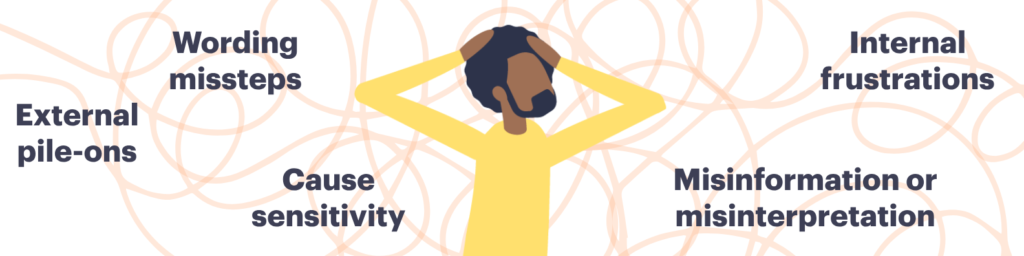
Here are some of the most common triggers we see:
- Wording missteps: A post’s caption that felt warm internally may be read as patronising or exclusionary externally.
- Cause sensitivity: Some topics naturally bring strong emotional responses, like health, race, disability, or lived experience.
- Misinformation or misinterpretation: When posts are shared beyond your usual audience, the original context can get lost.
- External pile-ons: Activist groups or trolls may deliberately target campaigns that challenge their worldview.
- Internal frustrations: Sometimes, staff or service users air concerns publicly when they don’t feel heard privately.
The First 3 Steps When You Spot a Backlash Brewing
That moment when you notice things are going south? Breathe. Then act.
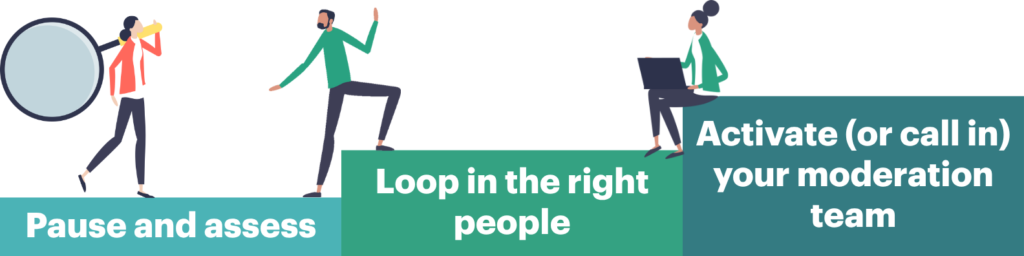
1. Pause and assess
Don’t delete or respond in a panic. Spend a few minutes understanding:
- What exactly are people reacting to?
- Is it just one or two voices, or a broader pattern?
- Is it genuine concern, or is someone trying to provoke?
2. Loop in the right people
Flag the issue internally, not just to your comms team, but to anyone responsible for safeguarding, reputation, or community engagement. Escalate early if vulnerable people are involved or if the comments feel like more than just online noise.
3. Activate (or call in) your moderation team
This is when trained moderators can make all the difference. We can step in to de-escalate, hide harmful comments, respond to confusion, and protect your team’s capacity to think clearly.
What Good Moderation Looks Like During a Backlash
Here’s what we focus on when the comments turn hot:
Tone matters more than ever
We stay calm, clear, and factual. No defensiveness, no snark, no corporate copy-and-paste. Every comment gets treated like a real person’s concern (because it usually is).
Delete or hide? Use both with care
- Hide for aggressive, trolling, or misinformation comments that don’t need a reply.
- Delete only when necessary, and be ready to justify it.
- Leave constructive or challenging comments visible and respond with care.
Spot the signal in the noise
We look for real issues buried in the noise: safeguarding concerns, patterns in feedback, or moments where people are genuinely confused. These often shape the best response strategies.
Protect your people
If staff are being named or attacked, we work quickly to remove that content and ensure team wellbeing is prioritised. No one should be subject to online abuse for doing their job.

After the Storm: How to Recover Well
Once the initial spike has passed, it’s tempting to move on and forget about it. Here’s a few of our top tips for a recovery plan:
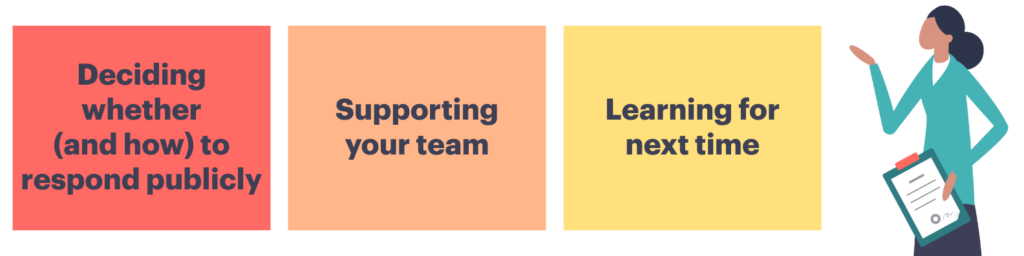
1. Deciding whether (and how) to respond publicly
Not every backlash needs a statement. But if confusion has spread, a short values-led message can go a long way. Reaffirm your mission. Show you’re listening.
2. Supporting your team
Dealing with a comment storm is exhausting. Debrief your team. Make space to talk about how it felt. Offer breaks, cover, and provide mental health support if needed. We talk extensively about the importance of wellbeing for those managing social media here.
3. Learning for next time
Every backlash reveals something – about tone, timing, audience, or moderation gaps. Write it down. Adjust your processes. Train your teams. And yes, review your moderation capacity!
Backlash Is Inevitable. Panic Isn’t.
We’re not here to pretend social media is always kind, sadly it’s not. But we are here to remind you that you’re not alone, and there are ways to get through the hard moments.
With good moderation in place and a clear plan for escalation and response, your charity can weather the storm, protect your people and stay true to your values, even when the internet gets messy.