At the 2025 CIOF Convention, the Social AF team attended a session called “AI and Machine Learning in the Charity Sector – What You Need to Know,” presented by Alex Holt and Marc Dallimore from the Salocin Group. This beginner-friendly talk was designed for charities just starting to explore artificial intelligence (AI), or for those feeling increasing pressure to integrate it more deeply into their roles.
Alex Holt set the tone with a relatable analogy: imagine building a tea-making machine. One approach would be to program it with exact, step-by-step instructions (“if this, then that”). But what if the type of tea, teabag brand, water temperature, or mug size changed? A rule-based system would struggle with all those variables.
That’s where AI comes in. Unlike traditional programming, AI, particularly machine learning, enables machines to make decisions based on data patterns, not fixed rules. It can adapt to nuance and complexity without needing every possible scenario pre-programmed.
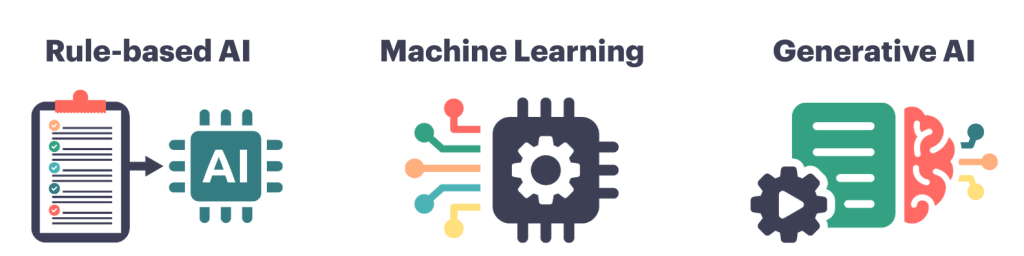
The session touched on several types of AI:
Marc and Alex shared compelling ways AI and ML are already being used by charities, particularly in fundraising and supporter engagement. Examples included:
They also explained how generative AI can enhance these insights by translating them into human-friendly outputs, such as drafting emails, generating campaign ideas or providing simplified summaries for fundraising teams.
Other use cases specific to the charity sector included:
Marc shared three specific examples of how charities are already leveraging AI:
These examples illustrated how AI, when grounded in real data and focused on specific problems, can generate meaningful, actionable results.
One of the most important messages from the session was the need to use AI responsibly and realistically. While the potential is huge, Alex warned against assigning human traits to AI. “AI doesn’t think,” he said. It doesn’t understand nuance unless we provide it and doesn’t have intuition or emotional intelligence.
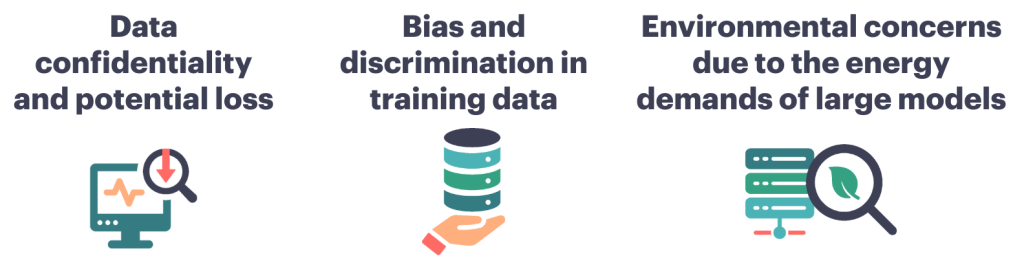
He shared his own AI prompts used to create parts of his presentation, demonstrating how GenAI can speed up workflows with the right input. However, he also cautioned about risks, including:
Bullet points replaced by visual: Banner image: AI and Machine Learning 2:
The key is specificity. Providing clear prompts and relevant context dramatically improves outputs and reduces risks.
As an agency that champions the need for real, human interactions at every turn, it should come as no surprise that we have reservations about charities exploring AI as a solution for improving social media moderation. Genuine community engagement, empathy and nuanced judgment will always require human oversight, especially in spaces where safeguarding and tone matter deeply, the value of a trained human moderator cannot be replicated by a machine.
Cutting corners with stewardship isn’t a long-term solution and a charity’s biggest assets will always be the real people in it.
In our recent blog, we decided to conduct an experiment and ask AI to suggest some replies to posts found within our Facebook challenge groups. We then compared their suggestions against those produced by our expert moderators. You can see the examples in the blog here: https://socialaf.co.uk/using-ai-charity-moderation/
For those looking to explore AI in a personal capacity, the speakers gave three practical suggestions:
For charities ready to take organisational steps toward AI adoption, Marc and Alex offered these strategic tips:
This session cut through the hype and provided grounded, realistic advice for charities exploring AI. The key message was clear. AI is not a replacement for human intelligence or empathy, but it can be a powerful tool when used responsibly. With thoughtful adoption, charities can improve fundraising, decision-making and operational efficiency, without losing sight of the people who make their missions possible.